

Las Vegas Location
7090 North Durango Suite #110
Las Vegas, NV 89149
(702) 220-3937

How Many Treatments Are Needed With OptiLight? What to Expect
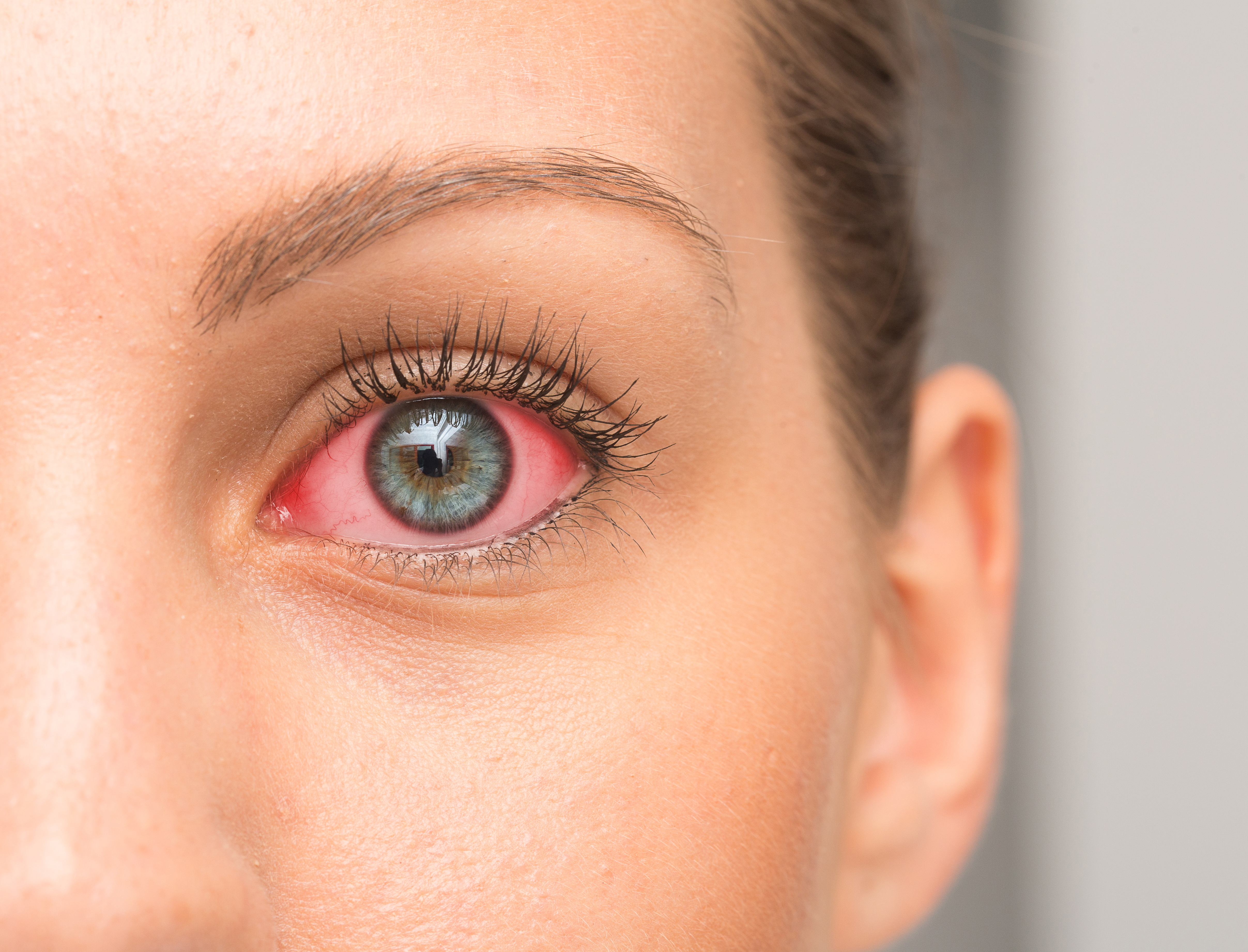
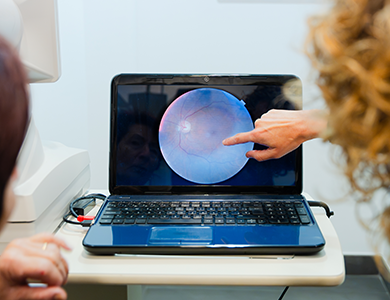
Dry eye can be frustrating when artificial tears only provide short-term relief. For many patients, symptoms are connected to inflammation and meibomian gland dysfunction, also known as MGD. OptiLight is an advanced light-based treatment designed to help manage dry eye by addressing inflammation around the eyes and supporting healthier tear function. For patients in Las Vegas, OptiLight can be a helpful option when dry eye symptoms keep returning. At Centennial Family Eyecare, OptiLight may be recommended as part of a personalized dry eye treatment plan based on your symptoms, tear film, eyelid health, and meibomian gland function. OptiLight is an intense pulsed light treatment used for dry eye disease associated with meibomian gland dysfunction. The meibomian glands produce the oil layer of your tears, which helps prevent tears from evaporating too quickly. When these glands are blocked or inflamed, the eyes may feel dry, gritty, watery, irritated, or tired. OptiLight treatments are performed around the eyes and are designed to help reduce inflammation that can contribute to dry eye symptoms. Your Las Vegas eye doctor may combine OptiLight with other dry eye treatments depending on the severity and cause of your condition. Many patients need a series of treatments rather than one session. A common OptiLight treatment plan includes about four sessions, usually spaced a few weeks apart. This schedule allows treatment to build gradually and gives your eye doctor time to monitor how your eyes respond. The exact number of treatments can vary. Some patients may need maintenance sessions after the initial series, especially if dry eye is chronic or linked to ongoing triggers such as screen use, allergies, rosacea, hormonal changes, or Las Vegas’ dry climate. Before treatment begins, your eye care team will review your symptoms and make sure OptiLight is appropriate for you. Protective shields are used during the session, and a cooling gel may be applied to the treatment area. During OptiLight treatment, pulses of light are delivered to targeted areas of the skin around the eyes. The session is typically quick, and most patients can return to normal activities afterward. Your provider may also evaluate the eyelids and meibomian glands before or after treatment to determine whether additional therapy is needed. OptiLight is often considered for patients with dry eye symptoms related to gland dysfunction and inflammation. It may help patients who experience: For patients in Las Vegas, where dry air and outdoor conditions can make symptoms worse, treating the underlying source of dry eye can be especially important. Some patients notice improvement after a few treatments, while others experience more gradual changes after completing the full series. Dry eye is often a chronic condition, so results depend on the cause of your symptoms, your gland health, and your daily habits. Your eye doctor may recommend at-home care between sessions, such as warm compresses, lid hygiene, artificial tears, or lifestyle changes. These steps can help support the benefits of OptiLight and improve tear film stability over time. OptiLight is not the right treatment for every type of dry eye. A detailed evaluation helps determine whether your symptoms are related to meibomian gland dysfunction, inflammation, tear deficiency, allergies, or another condition. During a dry eye exam in Las Vegas, your provider may assess tear quality, eyelid health, gland function, and the surface of the eye. This information helps create a treatment plan that is specific to your needs instead of relying on temporary symptom relief alone. After the initial OptiLight series, some patients benefit from periodic maintenance treatments. Your eye doctor can recommend a schedule based on how your symptoms improve and whether they return over time. Consistent care, proper eyelid hygiene, and routine follow-up visits can help keep dry eye symptoms better controlled. If you have been relying on drops but still feel uncomfortable, OptiLight may be worth discussing during your next dry eye evaluation. Schedule an OptiLight dry eye consultation with Centennial Family Eyecare in Las Vegas, NV, located at 7090 North Durango Suite #110, by calling (702) 941-7800.
What Is OptiLight?
How Many OptiLight Treatments Are Usually Needed?
What Happens During An OptiLight Session?
What Symptoms Can OptiLight Help Address?
When Will You Notice Results?
Why A Dry Eye Evaluation Comes First
Maintaining Results After Treatment
© 2026 Centennial Family Eyecare. All rights Reserved - Accessibility Statement - Privacy Policy - Insurance Assignment Policy - Sitemap
Powered by
